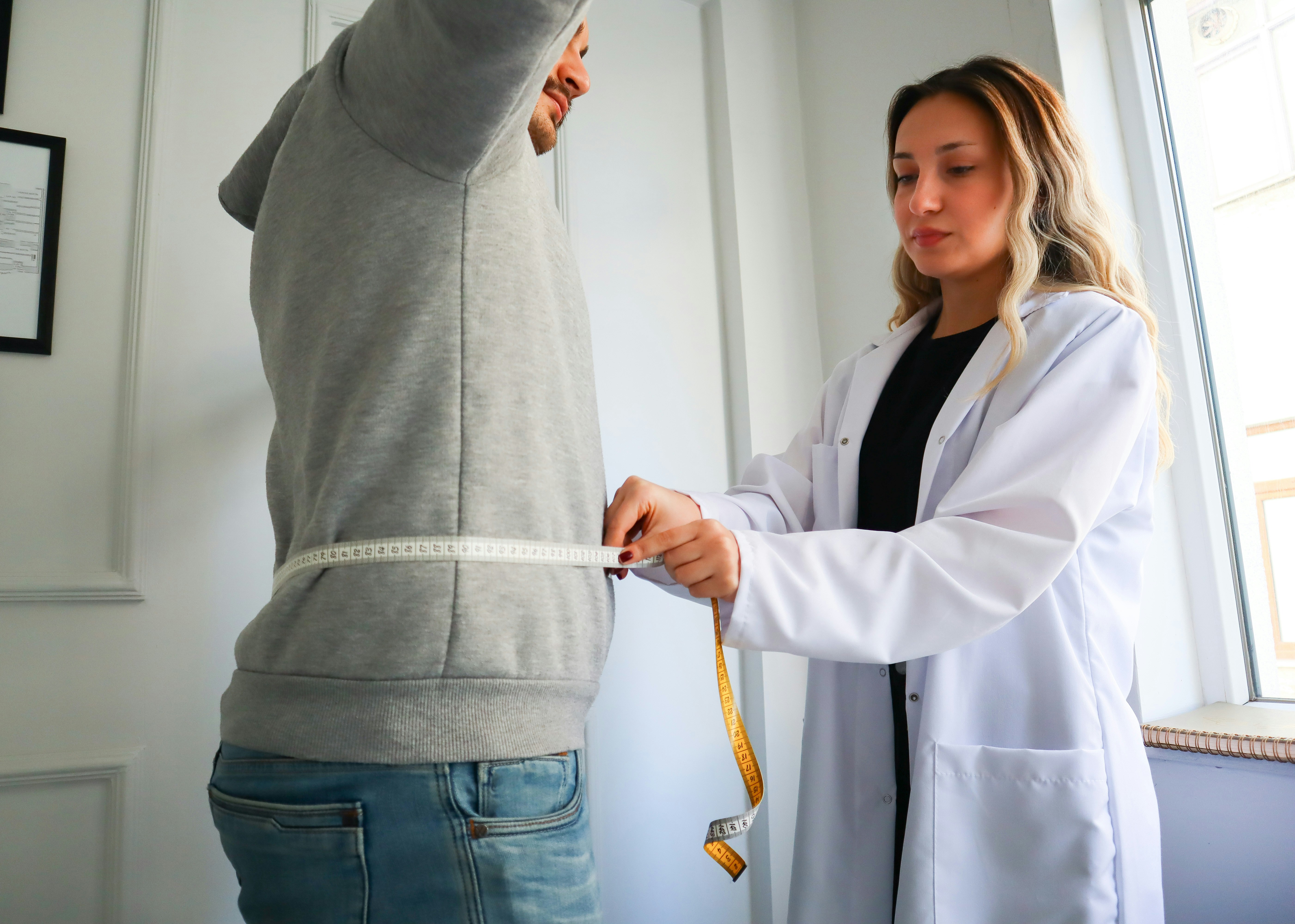
Why Americans Travel Abroad for Bariatric Surgery
Weight loss surgery in the United States is extraordinarily expensive — and for most patients, insurance coverage is anything but guaranteed. Even when insurers agree to cover bariatric procedures, the approval process can take 12–18 months of supervised diet programs, psychological evaluations, and prior authorization battles. Many patients are denied entirely. Those without coverage face the full out-of-pocket cost.
🇺🇸 Gastric Sleeve — USA
$17,000 – $26,000
🇲🇽 Gastric Sleeve — Mexico
$3,500 – $6,500
🇺🇸 Gastric Bypass — USA
$23,000 – $35,000
🇲🇽 Gastric Bypass — Mexico
$5,000 – $9,000
The math is stark. A gastric sleeve that costs $20,000 in the US can be performed in Mexico — often at a fully equipped bariatric hospital with a board-certified surgeon — for $4,000–$6,000. For a patient without insurance coverage, traveling abroad isn't just cost-effective; it's often the only financially viable path to surgery.
Tens of thousands of Americans make this choice every year. Mexico — particularly cities like Tijuana, Monterrey, Guadalajara, and Mexico City — has developed one of the world's most sophisticated bariatric surgery ecosystems specifically serving US patients. Many Mexican bariatric surgeons are dual-certified by both Mexican and American medical boards and have performed thousands of procedures.
But there is a serious financial risk embedded in this calculation that almost no patient accounts for: the cost of a post-operative complication is not included in that $4,500 package price — and neither you, your US health insurance, nor your standard travel insurance will cover it.
The Insurance Gap That Leaves Bariatric Patients Exposed
When US patients travel to Mexico for bariatric surgery, they are operating in a complete coverage vacuum. Here's why:
US health insurance: Even if your domestic health plan covers bariatric surgery in the US, it provides no coverage for procedures performed internationally. Medicaid has zero international coverage. Medicare provides no coverage for elective procedures abroad. If you develop a serious complication in Mexico, your US insurer will not pay.
Standard travel insurance: Travel insurance policies explicitly exclude "elective surgical procedures" and any complications arising from them. If you purchased a standard travel insurance policy for your Mexico trip, it will not cover a single dollar of costs related to your bariatric surgery complication. Claims are routinely denied.
This means that a patient who develops an anastomotic leak — one of the most serious bariatric complications — after their gastric sleeve in Tijuana faces a catastrophic financial scenario with no coverage from any source. Extended hospitalization in Mexico, emergency surgical intervention, and potentially a medical evacuation to the United States could cost $50,000 to $150,000, all out of pocket.
This is not a theoretical risk. It happens to real patients every year. And the financial devastation compounds an already medically difficult situation.
Bariatric Surgery Complications: What Can Go Wrong
Bariatric surgery is major abdominal surgery. Even when performed correctly by experienced surgeons, complications occur. Understanding these risks is not meant to discourage patients from pursuing surgery — it's meant to underscore why insurance protection is essential.
Anastomotic Leak
The anastomotic leak — a failure in the surgical connection between the stomach and small intestine — is the most feared bariatric complication. It occurs in approximately 1–3% of gastric sleeve and bypass cases. Leaks cause digestive fluids and bacteria to enter the abdominal cavity, causing peritonitis and sepsis. They are life-threatening and require immediate surgical intervention, often including re-operation, placement of drainage, and extended ICU care. Recovery can take weeks to months, and the cost of treatment can reach $50,000–$150,000.
Staple Line Bleeding
Internal bleeding along the staple line used to reshape the stomach can occur post-operatively. Significant bleeding may require re-operation or blood transfusion. Patients may need to remain hospitalized or return to hospital after initially being discharged.
Pulmonary Embolism and Deep Vein Thrombosis (DVT)
Flying home to the United States after bariatric surgery significantly elevates DVT risk. Long-haul flights following major abdominal surgery — with restricted mobility, abdominal pressure changes, and dehydration — create near-ideal conditions for dangerous blood clots. A pulmonary embolism (clot in the lungs) is a potentially fatal emergency requiring immediate hospitalization, anticoagulation therapy, and potentially ICU care. This risk is elevated in bariatric patients because obesity itself is a DVT risk factor.
Stricture (Narrowing)
Scar tissue can cause narrowing at the surgical connection site, making it difficult or impossible to eat solid food. Strictures typically develop weeks to months after surgery and require endoscopic dilation to treat. Multiple procedures may be needed.
GERD and Reflux Complications
Gastric sleeve surgery is associated with worsening or new-onset gastroesophageal reflux disease (GERD) in a significant percentage of patients. Severe GERD that develops post-operatively may ultimately require conversion to a gastric bypass — a second major surgery.
Nutritional Deficiencies and Metabolic Complications
Bariatric surgery permanently alters nutrient absorption. Severe deficiencies in B12, iron, calcium, and other micronutrients can develop, leading to conditions including anemia, neuropathy, and bone density loss. Managing these conditions can require specialist care over the months and years following surgery.
Top Destinations for Bariatric Surgery Abroad
While Mexico dominates for US patients due to proximity and cost, several other countries offer competitive bariatric programs:
Mexico is overwhelmingly the most common destination for US bariatric patients. Tijuana alone performs thousands of weight loss procedures on American patients each year. The infrastructure for medical tourism — hospitals, recovery hotels, patient coordinators, and post-op care packages — is highly developed. Colombia is growing rapidly for bariatric tourism, particularly among Spanish-speaking American patients. Thailand and India attract patients seeking premium care at significantly lower costs than the US, though the longer travel distance increases DVT and post-op complication risk during the flight home.
The GoTripWise Medical Traveler Plan provides worldwide coverage for US residents traveling to any of these destinations.
What Bariatric Surgery Abroad Insurance Covers
The GoTripWise Medical Traveler Plan is purpose-built for US patients traveling internationally for bariatric and other elective procedures. Here's what it covers:
Medical Complications Coverage
Up to $150,000
Emergency Medical Evacuation
$50,000
Emergency Medical (Unrelated)
$1,000,000
COVID-19 Medical Coverage
$25,000
Companion Coordination
Up to $5,000
Trip Cancellation
Up to $10,000
The 180-Day Coverage Window
Bariatric complications don't always present in the operating room or recovery suite. Strictures typically develop weeks after surgery. GERD can worsen over months. Nutritional deficiencies compound over time. The plan covers complications arising within 180 days of your procedure date — a window that captures the vast majority of post-bariatric complications, including those that emerge after you've returned home to the United States.
Emergency Medical Evacuation
If a serious complication like an anastomotic leak or severe DVT occurs in Mexico or another destination, emergency air evacuation to a US hospital may be necessary. Without coverage, a medical air evacuation can cost $30,000–$80,000. The plan covers $50,000 for emergency medical transportation to the nearest appropriate facility.
Travel Companion Coordination
When a complication extends your stay abroad, your travel companion faces unexpected costs too — extended hotel stays, last-minute flight changes, meals, and transportation. The plan covers up to $250/day ($5,000 maximum) for companion additional expenses when a covered complication occurs.
What the Plan Does Not Cover
- The cost of the bariatric procedure itself
- Routine post-operative follow-up that is a normal part of bariatric recovery
- Long-term nutritional supplementation
- Procedures performed in the United States
- Pre-existing conditions unrelated to the covered bariatric procedure
Choosing the Right Coverage Level for Bariatric Surgery
Bariatric surgery carries a higher risk profile than most cosmetic procedures. The potential complications — anastomotic leaks, DVT, and hospitalization — are serious and costly. For bariatric patients, higher coverage levels are generally advisable:
- Option 2 — $50,000 complications / $1,142 total: Minimum recommended for most bariatric patients. Covers a serious single complication without requiring ICU-level intervention.
- Option 3 — $75,000 complications / $1,492 total: Appropriate for higher-risk patients, those undergoing gastric bypass (higher complication complexity than sleeve), or those traveling to more distant destinations.
- Option 4 — $150,000 complications / $2,085 total: Maximum protection. Strongly recommended for gastric bypass patients, patients with higher baseline health risk, or anyone who wants the broadest possible financial safety net. The cost of an anastomotic leak requiring ICU care can easily exceed $100,000.
All plans include $1,000,000 emergency medical coverage for unrelated accidents or illness, $50,000 evacuation, and access to the Crisis24 Horizon mobile safety app.
Important Safety Considerations for Bariatric Tourism
Beyond insurance, there are several safety practices that every bariatric tourist should follow:
Verify Surgeon Credentials
Look for bariatric surgeons certified by the Mexican Society of Bariatric and Metabolic Surgery (SMBOEM) or with equivalent international credentials. Many top Mexican bariatric surgeons also hold fellowship from the American Society for Metabolic and Bariatric Surgery (ASMBS). Ask directly about credentials and complication rates, and verify hospital accreditation.
Don't Fly Too Soon
Many surgeons recommend waiting at least 5–7 days before flying after bariatric surgery, and some recommend longer. Flying too soon after abdominal surgery substantially elevates DVT risk. Discuss your return flight timing explicitly with your surgeon before the procedure.
Plan Your Follow-Up Care in the US
Before you travel, identify a US bariatric surgeon or primary care physician who is willing to provide follow-up care for a procedure performed abroad. Not all US providers will, and finding out after a complication occurs is the worst possible time to discover this. Get all surgical records, imaging, and procedure details in writing from your Mexican provider before you leave.
Understand the Nutritional Requirements
Bariatric surgery requires lifelong nutritional supplementation and dietary compliance. Before your procedure, ensure you have a plan for post-op nutritional monitoring with a US-based dietitian or bariatric team.
Frequently Asked Questions
My US health insurance denied bariatric surgery coverage. Does that affect my eligibility for this plan?
No. The GoTripWise Medical Traveler Plan is designed for patients traveling internationally for elective procedures — it does not require or consider your US health insurance's prior authorization decisions. You can enroll regardless of whether your US insurer covers bariatric surgery.
I'm getting a gastric sleeve in Tijuana next month — when should I enroll?
Enroll as soon as possible — ideally several weeks before your travel date. Coverage must be purchased before departure. Waiting until the last minute risks administrative delays that could leave you unprotected on travel day. Contact Global Protective Solutions promptly after booking your procedure.
Does the plan cover complications that develop after I fly home?
Yes. The plan covers complications arising within 180 days of your procedure date, including those that develop or are diagnosed after you've returned to the United States. If you develop a stricture or experience complications two months post-op, the plan can cover those treatment costs excess of any other valid coverage you have.
What if I need a medical evacuation flight from Mexico to the US?
Emergency medical evacuation is covered up to $50,000. This covers transport to the nearest appropriate medical facility. If you are stable enough to fly commercially but require medical supervision, that is also covered. For truly emergent air ambulance transports — which are among the most expensive items in medical tourism — the $50,000 benefit covers a significant portion of the cost.
I'm having a gastric bypass, not a sleeve. Is that covered?
Yes. The plan covers bariatric procedures broadly, including gastric sleeve, gastric bypass (Roux-en-Y), duodenal switch, and other weight loss surgical procedures. Given that gastric bypass carries a somewhat higher complication profile than sleeve gastrectomy, we recommend considering Option 3 or Option 4 coverage.
My surgeon's clinic says they have their own guarantee — do I still need insurance?
Clinic guarantees and revision policies vary enormously and typically cover only specific scenarios (e.g., they'll redo a procedure for free within a certain window). They do not cover hospitalization costs, emergency care, evacuation, companion expenses, or complications requiring intervention outside their facility. A clinic guarantee and medical travel insurance serve completely different purposes. You need both.
The Bottom Line
Bariatric surgery in Mexico and other international destinations has made life-changing weight loss surgery accessible to tens of thousands of Americans who couldn't afford — or couldn't access — the procedure at home. This is genuinely positive. The outcomes at reputable facilities are good, and for many patients, the decision to travel abroad for bariatric surgery is the right one.
But bariatric surgery is major surgery. The complications — anastomotic leaks, DVT, bleeds — are serious and expensive. Standard travel insurance explicitly excludes them. Your US health insurance won't cover them internationally. Without purpose-built bariatric surgery travel insurance, a single complication can create a financial catastrophe that dwarfs what you saved on the procedure.
The GoTripWise Medical Traveler Plan closes this gap with up to $150,000 in complications coverage, $50,000 emergency evacuation, and a 180-day post-procedure coverage window. It is the only category of insurance designed to protect you from the risks you actually face when traveling abroad for bariatric surgery.
This article is for informational purposes only and does not constitute insurance or medical advice. Coverage terms, conditions, and availability are subject to the policy certificate issued by the underwriter. GoTripWise provides insurance brokerage services only. Always review your full policy documents and consult a licensed healthcare provider regarding medical decisions before traveling.