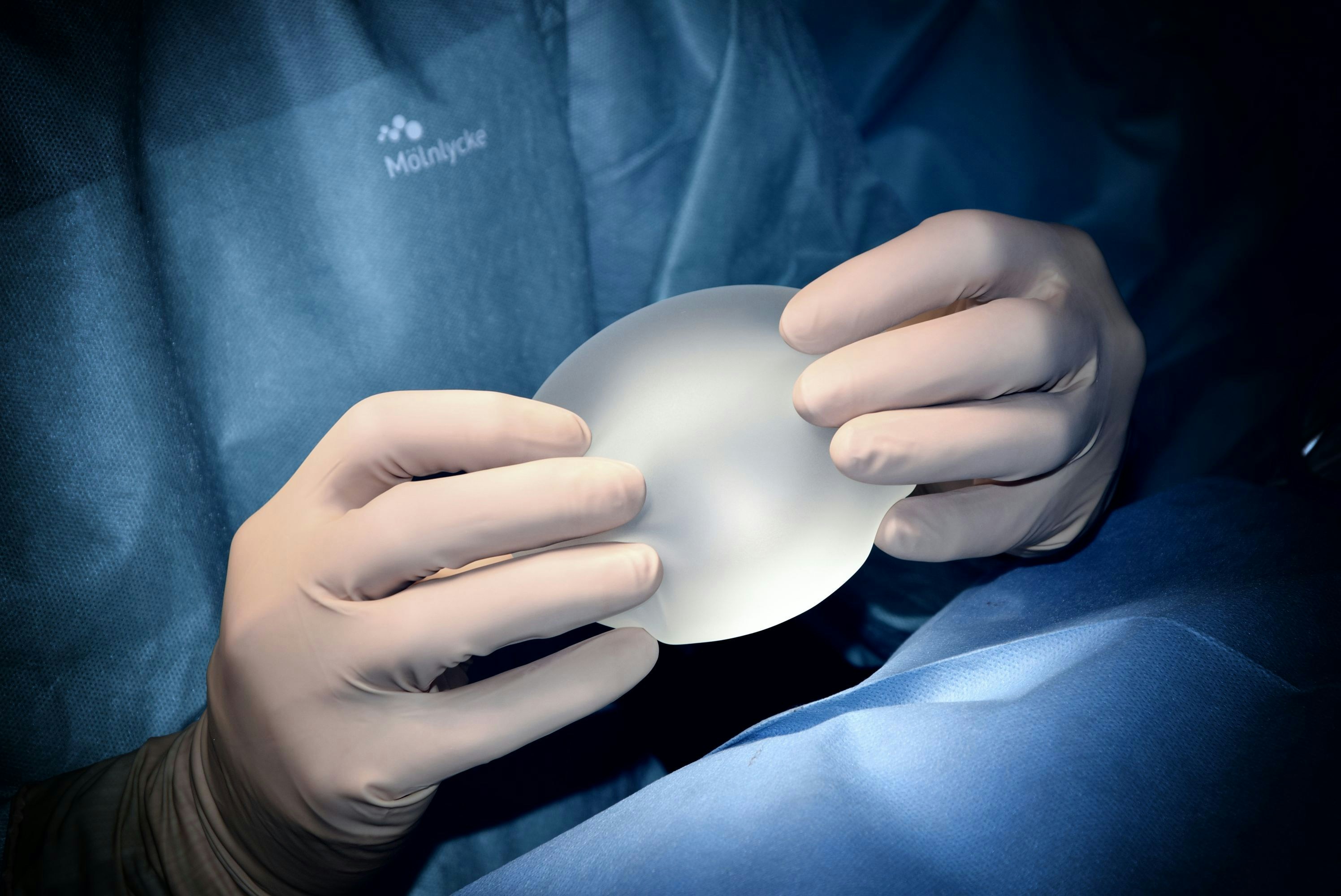
Why Americans Travel Abroad for Breast Augmentation
Breast augmentation has been the most commonly performed cosmetic surgical procedure worldwide for decades. In the United States, it costs $7,000–$12,000 total including surgeon fees, facility, and anesthesia. In Mexico, Colombia, Turkey, Costa Rica, and Thailand, the same procedure using comparable implant brands runs $2,500–$5,500. The savings of $4,000–$8,000 are enough to cover flights, accommodation, and recovery costs — with significant money remaining.
American patients who travel abroad for breast augmentation are not choosing low-quality care by default. Many of the surgeons performing these procedures at established international clinics completed plastic surgery residency or fellowship training in the US or Europe. Modern silicone and saline implants from Mentor (J&J), Allergan, and Sientra — the same brands used in American operating rooms — are available at top international facilities.
🇺🇸 Breast Augmentation (Implants) — USA
$7,000 – $12,000
🌍 Breast Augmentation (Implants) — Abroad
$2,500 – $5,500
🇺🇸 Breast Lift (Mastopexy) — USA
$6,000 – $10,000
🌍 Breast Lift (Mastopexy) — Abroad
$2,000 – $5,000
The financial logic is clear. The complication logic, however, requires specific attention. Breast implants are medical devices with a recognized complication profile — and those complications can generate costs over time that partially or fully offset the initial savings without insurance protection.
The Insurance Gap
Zero coverage from standard insurance: US health insurance — Medicare, Medicaid, employer plans, and ACA plans — provides no coverage for elective breast augmentation performed abroad or for any complications arising from it. Standard travel insurance explicitly excludes elective procedures. Every complication, from an early hematoma to years-later capsular contracture requiring revision, is entirely out of pocket without specialized medical travel insurance.
Breast Augmentation Complication Profile
Capsular Contracture — The Most Common Long-Term Complication
The body naturally forms a scar tissue capsule around any breast implant. In most patients, this capsule remains soft and imperceptible. In 1–6% of augmentation patients, the capsule tightens abnormally — causing the breast to feel hard, look distorted, and in advanced cases, become painful. Capsular contracture is graded Baker I–IV, with Baker III and IV requiring surgical intervention. The surgical fix — capsulotomy (releasing the capsule) or capsulectomy with implant removal and replacement — costs $4,000–$12,000 at a US plastic surgeon. Without the original operative notes from the foreign clinic, a US surgeon managing this complication is essentially starting from scratch on your anatomy.
Hematoma
Blood pooling under the skin around the implant pocket — the most common acute complication, occurring in approximately 1–2% of breast augmentations. Significant hematomas cause pain, visible asymmetry, and swelling and require surgical drainage under sedation. Cost if treated in the US: $2,000–$5,000. Must be addressed promptly to prevent complications including capsular contracture.
Implant Rupture and Deflation
Silicone implants can rupture silently (intracapsular rupture is often undetectable without MRI). Saline implants deflate visibly when they rupture. Rupture rates increase with implant age — approximately 1% per year cumulative. Implant removal and replacement costs $4,000–$8,000. MRI screening for silent silicone rupture (FDA recommends screening at 5–6 years and every 2–3 years thereafter): $1,000–$2,500 per scan.
Seroma
Fluid accumulation around the implant — less common than with abdominoplasty but occurs in 1–2% of breast augmentations, more frequently with breast lift (mastopexy). Requires aspiration or drain placement. Cost: $500–$2,000 per drainage session.
Infection
Post-surgical breast infection — rare (0.5–2.5%) but serious. Mild infections are managed with antibiotics. Severe infections may require implant removal, IV antibiotics, and hospitalization. Explantation with immediate or delayed replacement: $5,000–$10,000.
BIA-ALCL (Breast Implant-Associated Anaplastic Large Cell Lymphoma)
A rare form of T-cell lymphoma associated with textured breast implants. Not breast cancer — a lymphoma of the scar capsule. FDA recalled Allergan BIOCELL textured implants in 2019. Most international clinics should no longer be using textured implants, but confirm the implant type you are receiving. BIA-ALCL treatment, if diagnosed, involves implant removal, capsulectomy, and potentially chemotherapy/radiation — significant costs.
Implant documentation is critical: Before leaving the foreign clinic, obtain written documentation of your implant brand, model, size, surface type (smooth vs. textured), and implant lot number. This information is required for FDA reporting purposes and essential for any future revision surgeon. If the clinic cannot or will not provide this documentation, that is a serious red flag about their operating standards.
The Revision Surgery Problem
Breast augmentation has a recognized revision rate — various studies put it at 15–25% over 10 years for reasons including capsular contracture, size change, rupture, and aesthetic dissatisfaction. For patients who had their primary augmentation abroad, revision surgery in the US creates a specific challenge: the revision surgeon is operating on anatomy modified by a previous procedure they didn't perform, using implants they may not be fully familiar with, without complete operative documentation.
US plastic surgeons can and do revise foreign augmentations — but the absence of complete records increases operative complexity and cost. This is why obtaining full English-language operative documentation before leaving the foreign clinic is essential, not optional.
Top Destinations for Breast Augmentation Tourism
- Mexico (Tijuana, Cancún, CDMX) — Most popular destination by volume for US patients. High concentration of board-certified plastic surgeons in Tijuana. See: Medical Tourism Mexico Insurance.
- Colombia (Medellín) — Growing rapidly; internationally trained surgeons with strong reputations for body contouring and augmentation. Medellín is becoming a global cosmetic surgery hub.
- Turkey (Istanbul) — Internationally-trained cosmetic surgeons, modern facilities, competitive all-inclusive packages. 10-hour return flight requires DVT awareness. See: Medical Tourism Turkey Insurance.
- Costa Rica (San José) — JCI-accredited hospitals, English-speaking surgeons, short flights from the US. See: Medical Tourism Costa Rica Insurance.
- Thailand (Bangkok) — Established cosmetic surgery sector at Bangkok's major hospitals. See: Medical Tourism Thailand Insurance.
What Breast Augmentation Abroad Insurance Covers
The GoTripWise Medical Traveler Plan covers US residents traveling abroad for breast augmentation, breast lift, implant revision, and related procedures. Complications are covered for 180 days from the procedure date — whether they arise abroad or after returning home.
Medical Complications Coverage
Up to $150,000
Emergency Medical Evacuation
$50,000
Emergency Medical (Unrelated)
$1,000,000
COVID-19 Medical Coverage
$25,000
Companion Coordination
Up to $5,000
Trip Cancellation
Up to $10,000
Recommended Coverage Level
- Breast augmentation alone: Option 2 ($50,000 / from $1,142) — covers hematoma, seroma, infection, and early capsular contracture revision scenarios.
- Breast augmentation + lift (mastopexy): Option 2–3 ($50,000–$75,000) — combined procedure adds wound complication risk.
- Breast augmentation as part of mommy makeover: Option 3–4 ($75,000–$150,000) — see our guide: Mommy Makeover Abroad Insurance.
Frequently Asked Questions
Does the plan cover capsular contracture that develops six months after my procedure?
The coverage window is 180 days (approximately 6 months) from your procedure date. Capsular contracture diagnosed and treated within this window is covered. Capsular contracture that develops after the 180-day window has expired is not covered under the Medical Traveler Plan. This underscores the importance of staying aware of any changes in breast firmness or shape in the first six months and seeking evaluation promptly if concerned.
What implant brands are used abroad — are they the same as in the US?
Major international clinics use the same implant brands available in the US — Mentor (J&J), Allergan/AbbVie, Sientra, and other internationally certified manufacturers. Some markets use European CE-marked implants not FDA-approved in the US but meeting equivalent safety standards. Always ask specifically which implant brand and model will be used, and confirm it is smooth-surface (not textured) given BIA-ALCL considerations. Get this information in writing.
I had breast augmentation in Turkey two months ago and now have asymmetry — is a US revision covered?
Asymmetry presenting within 180 days of your procedure date that is determined to require surgical correction is a covered complication. Purely aesthetic dissatisfaction without a clinical complication is not covered. An evaluation by a US plastic surgeon to determine whether there is a clinical indication for revision is the appropriate first step — keep documentation of all consultations and evaluations for claim purposes.
The Bottom Line
Breast augmentation abroad offers real savings on the most commonly performed cosmetic procedure in the world. At qualified facilities with board-certified surgeons using quality implant brands, outcomes are generally good. The implant complication profile — hematoma, capsular contracture, rupture, seroma — is well-documented and manageable, but management costs money. Without specialized medical travel insurance, every complication from your foreign procedure is entirely out of pocket. The GoTripWise Medical Traveler Plan covers complications for 180 days, whether you're still abroad or back home in the US.
This article is for informational purposes only and does not constitute insurance or medical advice. Coverage terms, conditions, and availability are subject to the policy certificate issued by the underwriter. GoTripWise provides insurance brokerage services only.