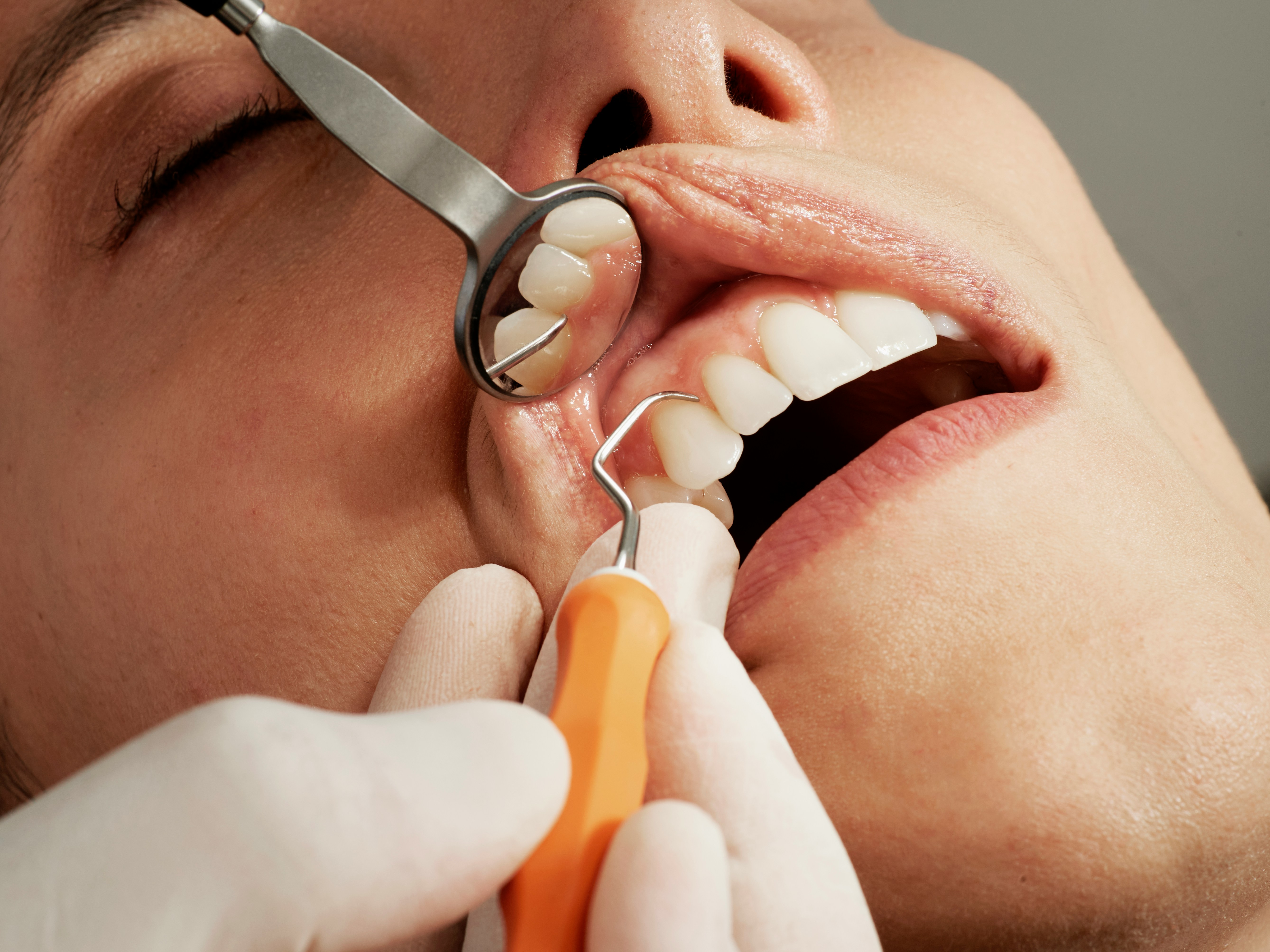
Why Americans Travel Abroad for Dental Work
Dental care in the United States is among the most expensive in the world — and for most Americans, most of it isn't covered by insurance. Dental implants that cost $3,000–$5,000 per tooth in the US can be done for $700–$1,500 in Mexico. A full-mouth rehabilitation (all-on-4 or all-on-6 implants) that runs $40,000–$60,000 domestically can be completed in Costa Rica, Mexico, or Hungary for $8,000–$18,000. Porcelain veneers, crowns, root canals, Invisalign — the savings across virtually every procedure are substantial.
This is why dental tourism has become one of the largest categories of medical travel for Americans. More than one million US residents travel to Mexico alone each year specifically for dental procedures. Cities like Los Algodones (nicknamed "Molar City"), Tijuana, and Cancún have entire economies built around serving American dental patients. Costa Rica, Colombia, Hungary, and Thailand are also major destinations.
The quality at reputable dental clinics abroad is often excellent. Many dentists at top international clinics trained in the United States or have US-accreditation-equivalent credentials. Modern facilities use the same materials, implant systems, and technology as US practices.
But there is a financial risk almost no dental tourist plans for: what happens when a procedure has complications?
The Insurance Gap in Dental Tourism
Dental tourists typically focus on the cost comparison — what they'll save by going abroad versus staying home. Almost none of them factor in the cost of a complication, because standard insurance won't help them.
The gap: Standard US dental insurance plans typically provide no coverage for work performed outside the United States. Standard travel insurance explicitly excludes complications from elective and dental procedures. If your implant fails, your bone graft gets infected, or you need emergency oral surgery abroad, you're paying out of pocket.
This creates a specific financial trap for dental tourists. They've already spent money on flights and the procedure. A complication requiring emergency treatment — especially one requiring evacuation or extended care — can easily cost more than the original procedure itself. And with no coverage from any source, the patient bears the entire cost.
Common Dental Tourism Procedures and Their Risks
Dental procedures performed abroad range from relatively simple restorations to complex surgical work. Understanding the risk profile of common procedures helps illustrate why insurance matters.
Dental Implants
Dental implants involve surgically placing a titanium post into the jawbone, which then fuses with the bone over several months (osseointegration). Implant failure — where the implant doesn't integrate properly or becomes infected — occurs in 5–10% of cases. Failed implants require removal, additional bone grafting, and eventually re-implantation. The total cost of a failed implant scenario can easily reach $3,000–$8,000 per tooth, on top of what the patient already paid.
Other implant complications include peri-implantitis (a form of gum disease around the implant), nerve damage causing numbness or pain, and sinus perforation (for upper jaw implants) requiring surgical repair.
All-on-4 / All-on-6 Full-Arch Implants
Full-arch implant procedures (sometimes marketed as "Teeth in a Day") are among the most complex dental surgeries performed. The stakes — and the costs — are proportionally higher. Complications including implant failure, bone loss, bite misalignment, and gum infections can require extensive revision work. With procedures costing $8,000–$18,000 abroad, a complication requiring corrective treatment is a significant financial event.
Bone Grafts
Bone grafts are frequently performed in conjunction with implants to rebuild bone density before implant placement. Graft infections, rejection, and failure are recognized complications that can delay or derail the entire implant process, requiring additional procedures and extended care.
Root Canals and Crowns
While typically lower-risk than implants, root canals can have complications including incomplete canal treatment, re-infection, and crown failure. Crowns placed abroad may use different materials than US dental labs use, and fit issues or failures can require remediation by a US dentist.
Veneers and Cosmetic Dentistry
Porcelain veneer procedures require tooth preparation (irreversible enamel removal). If veneers crack, debond, or are poorly fitted, the teeth underneath are permanently vulnerable and require correction. Poorly fitted veneers also create bite and gum issues requiring additional treatment.
The Cost of Dental Complications Abroad
To understand why insurance matters, consider realistic complication scenarios:
| Complication Scenario | Estimated Out-of-Pocket Cost |
|---|---|
| Single implant failure — removal and re-treatment in US | $4,000 – $8,000 |
| Jaw infection requiring hospitalization abroad | $8,000 – $25,000 |
| Medical evacuation to the US for emergency oral surgery | $30,000 – $80,000 |
| Nerve damage requiring specialist evaluation and treatment | $3,000 – $10,000 |
| Sinus perforation repair surgery | $5,000 – $15,000 |
| Extended stay abroad due to post-op complication | $2,000 – $6,000+ |
Any one of these scenarios can wipe out the savings that motivated the dental tourism trip in the first place — and several of them could cost far more than what the patient saved.
Top Dental Tourism Destinations for US Patients
US dental tourists have well-established options. The most popular destinations have developed dense ecosystems of dental practices specifically serving American patients:
Mexico dominates for US patients due to geography. Los Algodones, just across the Arizona border, is estimated to have more dentists per capita than any other place in the world and operates almost entirely for American patients. Tijuana, Cancún, and Guadalajara are also major dental tourism hubs. Costa Rica is the second most popular destination, with a strong reputation for implant and restorative work, high-quality materials, and English-speaking dentists. Hungary is the dominant destination for European patients and increasingly attracts US patients for full-arch rehabilitation.
The GoTripWise Medical Traveler Plan provides worldwide coverage for US residents traveling to any of these destinations.
What Dental Tourism Insurance Covers
The GoTripWise Medical Traveler Plan was designed for US patients traveling internationally for elective medical and dental procedures. It covers the complications that standard travel insurance and US dental insurance explicitly exclude:
Medical Complications Coverage
Up to $150,000
Emergency Medical Evacuation
$50,000
Emergency Medical (Unrelated)
$1,000,000
COVID-19 Medical Coverage
$25,000
Companion Coordination
Up to $5,000
Trip Cancellation
Up to $10,000
The 180-Day Coverage Window
A critical feature of the plan is that covered complications must arise within 180 days of your procedure date. For dental work — particularly implants, where osseointegration takes 3–6 months — this window is essential. An implant failure or infection that presents two months after your trip is still covered.
This extended window means you're protected during the full critical period of your dental recovery, not just during your travel dates.
Emergency Medical Evacuation
If a dental complication develops into a serious medical emergency — a jaw infection spreading to the neck, a severe allergic reaction, or oral surgery complications requiring intensive care — the plan covers emergency medical transportation to the nearest appropriate facility and repatriation when medically stable.
What the Plan Does Not Cover
The plan covers unexpected complications, not the planned procedure cost or routine care. Specifically, it does not cover:
- The cost of the original dental procedure itself
- Routine post-operative follow-up that is expected as part of normal recovery
- Aesthetic dissatisfaction with dental work (vs. a true medical complication)
- Dental work performed in the United States
- Pre-existing dental conditions unrelated to the covered procedure
Choosing a Coverage Level for Dental Tourism
For most dental tourism patients, the $25,000 or $50,000 complications option will be appropriate. Here's how to think about it:
- Option 1 — $25,000 / from $792: Suitable for routine dental work — single implants, crowns, veneers, root canals. Covers most single-complication scenarios.
- Option 2 — $50,000 / from $1,142: Recommended for patients getting multiple implants or more complex restorative work. The most popular option overall.
- Option 3 — $75,000 / from $1,492: Appropriate for full-arch implant procedures (all-on-4/all-on-6) where the overall investment and complication risk are both higher.
- Option 4 — $150,000 / from $2,085: Maximum protection for extensive full-mouth rehabilitation or patients who want the broadest possible safety net.
All options include $1,000,000 emergency medical coverage, $50,000 evacuation, and access to the Crisis24 Horizon mobile safety app.
Tips for Safe Dental Tourism
Insurance is one layer of protection. These practices help reduce the underlying risk of a complication in the first place:
- Research your clinic thoroughly. Look for clinics with verifiable accreditation, board-certified dentists, and a documented track record of treating international patients. Read independent reviews on multiple platforms, not just the clinic's own website.
- Get all records and X-rays. Before leaving, obtain complete documentation of all work performed — X-rays, treatment records, materials used (implant brand, model numbers), lab work. This is essential for follow-up care by a US dentist.
- Understand your follow-up requirements. Implants require follow-up visits for months. If a complication arises, you need to know whether you're expected to return to the clinic abroad or whether your US dentist can manage it.
- Don't travel too soon after surgery. Flying immediately after oral surgery increases complication risk. Allow adequate recovery time before your return flight.
- Purchase insurance before you travel. Enrollment in the Medical Traveler Plan must occur before departure. You cannot purchase coverage after a complication has already occurred.
Frequently Asked Questions
Will my US dental insurance cover any work done abroad?
Almost certainly not. Standard US dental insurance plans — whether employer-provided or individually purchased — are designed for care received within the United States and its network of providers. Care received abroad is typically excluded entirely. Even if a complication from work done abroad is treated by a US dentist, your insurer may deny coverage on the grounds that the underlying cause was a procedure performed outside the covered network.
I'm going to Los Algodones for implants — does this plan cover me?
Yes. The Medical Traveler Plan provides worldwide coverage for US residents traveling internationally for elective dental procedures, including in Mexico. Los Algodones and other Mexico dental destinations are fully covered destinations under the plan.
What if my implant fails after I return home?
The plan covers complications diagnosed within 180 days of your procedure date, including complications that arise or are diagnosed after you've returned to the United States. If your US dentist identifies implant failure within that window, treatment costs can be covered by the policy excess of any other valid coverage.
Does the plan cover the cost of replacing a failed implant?
The plan covers the medical costs of treating a covered complication — including hospitalization, specialist care, and medically necessary intervention arising from that complication. The specifics of coverage depend on the nature of the complication and how it is classified under the policy. Contact Global Protective Solutions for guidance on your specific situation.
When should I purchase coverage?
Enroll as soon as your procedure date is confirmed. Coverage must be purchased before your departure date. Enrolling early ensures your documentation is complete and your Member ID is in hand before you travel.
I'm traveling with my spouse who is also getting dental work — can we both be covered?
Yes. Each traveler receives their own policy. Companion coverage is available, and if both you and your travel companion are both patients, each should enroll in their own plan. Contact Global Protective Solutions to discuss your specific travel group.
The Bottom Line
Dental tourism is one of the most financially rational decisions an American patient can make. The savings are real, the quality at reputable clinics is high, and millions of patients have excellent experiences. But the financial protection gap is equally real — and most dental tourists don't discover it until something goes wrong.
Standard travel insurance excludes dental procedure complications. US dental insurance doesn't cover international care. Without specialized coverage, a single implant failure or post-operative infection can cost more than the entire trip.
The GoTripWise Medical Traveler Plan provides the coverage dental tourists actually need: purpose-built for elective procedure complications, with a 180-day coverage window and worldwide protection for US patients. Enroll before you travel.
This article is for informational purposes only and does not constitute insurance or dental advice. Coverage terms, conditions, and availability are subject to the policy certificate issued by the underwriter. GoTripWise provides insurance brokerage services only. Always review your full policy documents and consult a licensed healthcare provider regarding medical decisions before traveling.