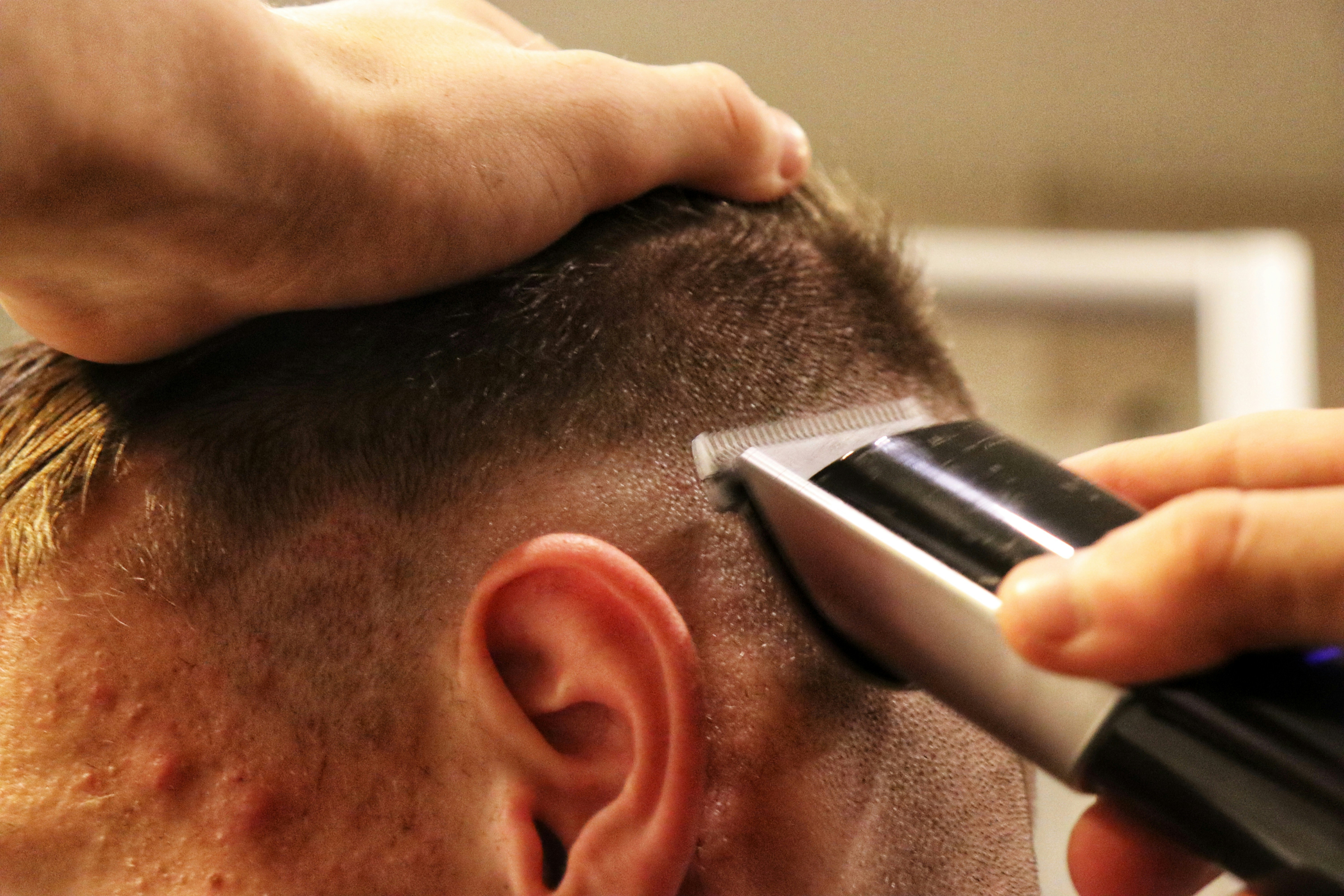
Why Americans Travel Abroad for Hair Transplants
Hair restoration surgery in the United States is expensive. An FUE (Follicular Unit Extraction) hair transplant involving 2,000–4,000 grafts — a typical mid-range procedure — costs $8,000–$18,000 at a US clinic. The same procedure performed in Turkey runs $1,500–$4,000. In India, $1,000–$3,500. In Mexico, $2,500–$5,000.
🇺🇸 FUE Hair Transplant — USA
$8,000 – $18,000
🇹🇷 FUE Hair Transplant — Turkey
$1,500 – $4,000
Turkey has become the global capital of hair transplant surgery. Istanbul alone performs an estimated 500,000 hair transplant procedures per year — more than any other city in the world. Clinics there have refined the logistics of serving international patients into a highly packaged experience: airport pickup, hotel accommodation, procedure, and aftercare all bundled into a single price. American patients who have researched the option know the savings are dramatic and real.
But there's a financial blind spot almost every hair transplant tourist carries: if a complication occurs, you have no insurance coverage from any source.
The Coverage Gap for Hair Transplant Patients
Hair transplants sit in an awkward insurance category. Because they are considered cosmetic and elective, they are excluded from virtually every form of standard insurance coverage — both in the US and internationally.
The coverage gap: Standard travel insurance explicitly excludes complications from elective and cosmetic procedures. Your US health insurance won't cover treatment for hair transplant complications, whether the procedure was performed abroad or domestically. If your transplant develops a serious complication in Turkey or after you return home, you face the full cost out of pocket — unless you have medical travel insurance.
This gap is particularly significant for hair transplant patients because complications can be expensive and occur long after the patient has returned home. A scalp infection that presents three weeks post-procedure, a failed graft result requiring revision, or an adverse reaction to local anesthesia administered abroad — all of these fall entirely outside standard insurance coverage.
Hair Transplant Procedures: FUE vs. FUT
Understanding the two primary hair transplant techniques helps clarify the relevant risk profile:
FUE (Follicular Unit Extraction)
FUE is the dominant technique globally and the primary method used in Turkish and Indian clinics. Individual follicular units are extracted one by one from the donor area (typically the back of the scalp) using a small punch tool, then implanted into the recipient area. FUE leaves minimal linear scarring and has a shorter recovery period than FUT. It is also the technique most commonly performed by technicians (rather than surgeons) in some overseas markets — a key risk factor to understand.
FUT (Follicular Unit Transplantation / Strip Method)
FUT involves removing a strip of scalp tissue from the donor area, dissecting it into individual follicular units, and implanting them into the recipient area. FUT leaves a linear scar at the donor site and has a longer recovery period, but can yield higher graft counts in a single session. It is less common in overseas tourist markets but still performed at some international clinics.
What Can Go Wrong with a Hair Transplant Abroad
Hair transplants are surgical procedures performed on the scalp. While serious complications are less common than with major abdominal or orthopedic surgeries, they do occur — and the consequences can be both medically and financially significant.
Scalp Infections
Infection is the most common serious complication of hair transplant surgery. The scalp has thousands of micro-wounds from the extraction and implantation process, creating multiple entry points for bacteria. Folliculitis (infection of the hair follicles), cellulitis (skin infection), and in rare cases abscess formation can occur. Infections require antibiotic treatment and, in serious cases, hospitalization and wound care. Infections that develop after the patient has returned home can be difficult to attribute to the procedure without proper documentation — documentation that may be incomplete from overseas clinics.
Graft Failure and Poor Survival Rate
Not all transplanted grafts survive. A certain degree of graft loss is expected, but excessive graft failure — caused by poor technique, improper storage of grafts during the procedure, or inadequate post-op care — can result in poor density and a result that requires expensive revision surgery. In markets where procedures are performed by technicians rather than surgeons, quality control can be inconsistent.
Scalp Necrosis
In rare cases, inadequate blood supply to the transplanted area can lead to scalp necrosis — tissue death. This requires prompt medical attention and wound management and can result in permanent scarring.
Anesthesia Complications
Hair transplants are performed under local anesthesia with sedation in some clinics. Allergic reactions to anesthetic agents, toxic doses from improper administration, and sedation complications require immediate medical intervention.
Unnatural Appearance Requiring Revision
Poor hairline design or graft angle placement can produce an unnatural appearance that is immediately noticeable. Corrective revision surgery — extracting and reimplanting grafts — is technically demanding and expensive.
Top Hair Transplant Destinations for US Patients
Turkey dominates globally. Istanbul clinics have built an industrial-scale medical tourism operation around hair transplants, with hundreds of clinics competing for international patients. Quality ranges dramatically — from highly reputable clinics staffed by board-certified surgeons to budget operations that cut corners on staffing and sterile technique. Vetting your specific clinic is critical. India has a strong medical tourism infrastructure and competitive pricing. Mexico is increasingly popular for US patients wanting geographic proximity. Thailand and Eastern European destinations like Poland and the Czech Republic attract European patients and growing numbers of Americans.
What Hair Transplant Abroad Insurance Covers
The GoTripWise Medical Traveler Plan covers US residents traveling internationally for elective procedures including hair transplant surgery. Here's what's included:
Medical Complications Coverage
Up to $150,000
Emergency Medical Evacuation
$50,000
Emergency Medical (Unrelated)
$1,000,000
COVID-19 Medical Coverage
$25,000
Companion Coordination
Up to $5,000
Trip Cancellation
Up to $10,000
The 180-day coverage window is particularly important for hair transplant patients. Scalp infections, graft complications, and other post-procedure issues frequently present weeks after the patient returns home. Any complication diagnosed within 180 days of the procedure date is covered — regardless of whether you're still abroad or back in the United States.
Choosing a Coverage Level
For most hair transplant patients, the lower-tier options are appropriate given the procedure's risk profile relative to major surgical procedures:
- Option 1 — $25,000 / from $792: Covers most realistic hair transplant complications — infections, adverse reactions, and standard specialist consultations.
- Option 2 — $50,000 / from $1,142: Recommended for patients undergoing large-session procedures (5,000+ grafts) or traveling to higher-risk markets.
All plans include $1,000,000 emergency medical coverage for unrelated accidents or illness and $50,000 evacuation coverage.
How to Vet a Hair Transplant Clinic Abroad
Insurance is your financial safety net after something goes wrong. These practices reduce the probability of a complication in the first place:
- Confirm the procedure is surgeon-led. In some Turkish clinics, technicians perform the extraction and implantation while a surgeon briefly appears for photos. Confirm your surgeon will be hands-on for the full procedure — not just the consultation.
- Check credentials independently. Look for surgeons certified by the International Society of Hair Restoration Surgery (ISHRS) or equivalent national boards. Verify credentials on the relevant board's own website, not just the clinic's claims.
- Demand before/after photos with patient references. Any legitimate clinic will have verifiable patient results. Look for reviews on independent platforms (RealSelf, Google, Reddit communities for hair restoration) rather than the clinic's curated testimonials.
- Understand exactly what's included in the package price. Many budget packages exclude follow-up consultations, PRP (platelet-rich plasma) treatments, or medicated shampoos that experienced practitioners consider standard. Clarify before booking.
- Get all procedure documentation in writing before you leave. Technique used, graft counts, medications administered, surgeon name and credentials, and post-op instructions — all in writing, in English.
Frequently Asked Questions
Is a hair transplant considered a medical procedure for insurance purposes?
For most standard insurance purposes, hair transplants are classified as cosmetic procedures and are explicitly excluded from coverage. The GoTripWise Medical Traveler Plan is specifically designed to cover elective and cosmetic procedures abroad — including hair transplants — unlike standard travel or health insurance.
I'm traveling to Istanbul for an FUE procedure — is Turkey covered?
Yes. The Medical Traveler Plan provides worldwide coverage for US residents traveling internationally for elective procedures. Turkey is a fully covered destination. Given Turkey's volume of hair transplant procedures, it is one of the most common use cases for the plan.
What if I develop an infection after I return home?
The plan covers complications diagnosed within 180 days of your procedure date, including those that develop after you've returned to the United States. If your US dermatologist or physician treats a post-transplant scalp infection, those costs can be covered by the policy up to your benefit limit.
Does the plan cover revision surgery if my results are poor?
The plan covers medically necessary intervention arising from covered complications — not purely aesthetic revision surgery chosen for cosmetic reasons. If a revision is required due to a medical complication (e.g., graft failure caused by infection or necrosis), coverage may apply. Elective revision for appearance alone is not covered. Speak with Global Protective Solutions about your specific situation.
When do I need to purchase coverage?
Coverage must be purchased before your departure date. You cannot enroll after you've already traveled or after a complication has occurred. Enroll as soon as your procedure appointment is confirmed.
The Bottom Line
Hair transplant surgery abroad — particularly in Turkey — offers US patients genuinely compelling value. The savings are substantial, the technique at reputable clinics is world-class, and millions of procedures are performed each year with good outcomes. But the financial risk of an uninsured complication is real, and standard insurance of any kind won't cover you.
The GoTripWise Medical Traveler Plan provides the coverage gap that makes hair transplant tourism genuinely safe from a financial perspective. Enroll before you travel.
This article is for informational purposes only and does not constitute insurance or medical advice. Coverage terms, conditions, and availability are subject to the policy certificate issued by the underwriter. GoTripWise provides insurance brokerage services only. Always review your full policy documents before traveling.