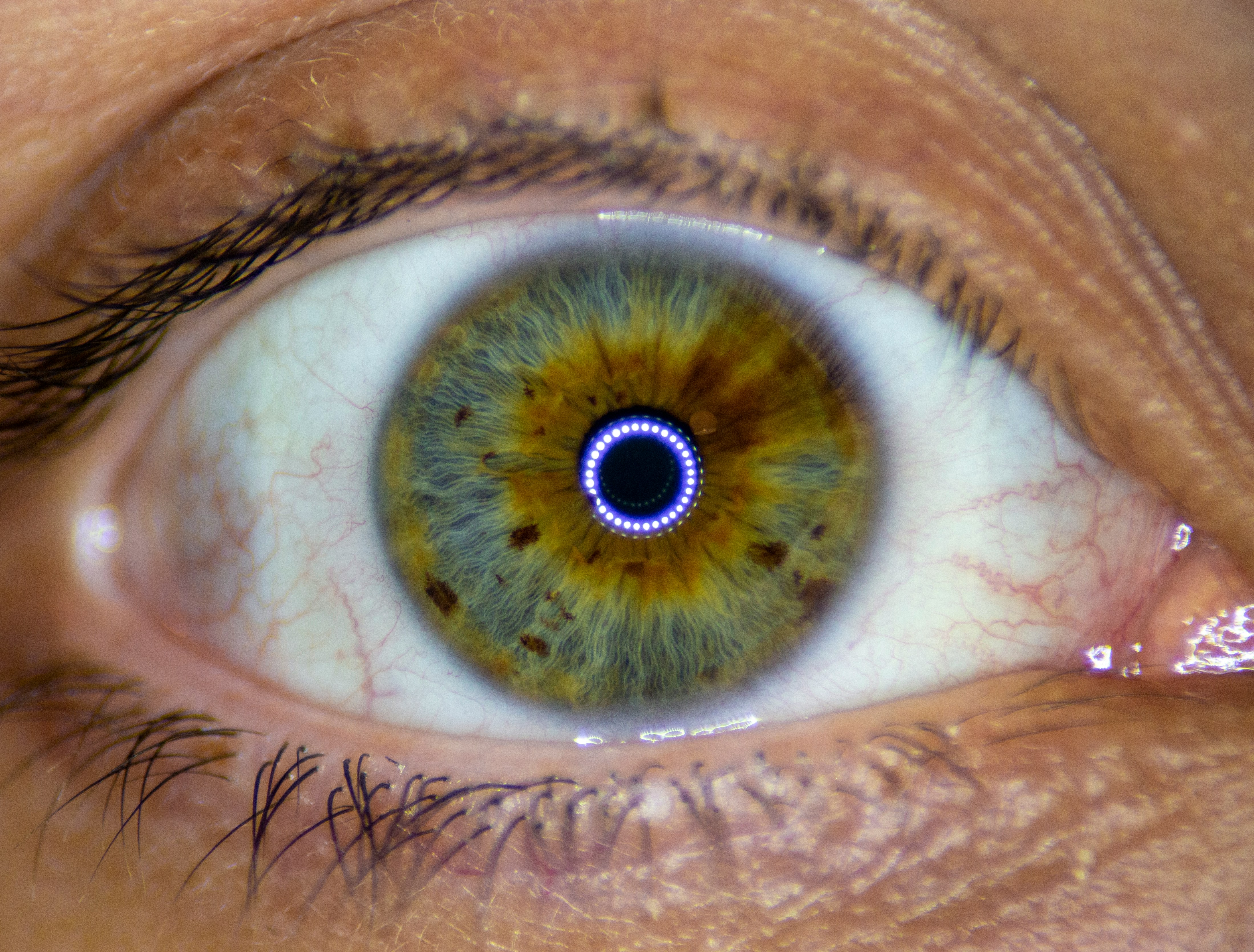
Why Americans Travel Abroad for LASIK and Eye Surgery
LASIK is one of the most commonly performed elective procedures in the world — and one of the largest cost disparities between the US and international markets. In major US metro areas, bilateral LASIK (both eyes) costs $4,000–$6,000 total. At accredited eye surgery centers in Mexico, Turkey, India, and Eastern Europe, the same procedure runs $600–$1,400 total. The technology used — excimer laser platforms, wavefront-guided tracking systems — is often the same equipment found in US clinics.
The proximity factor makes Mexico the most popular destination for American LASIK patients. Border cities like Tijuana, Mexicali, and Juárez have established eye surgery centers that specifically cater to US patients, many of which are staffed by ophthalmologists who trained in the United States. Istanbul has become a major hub for European and American LASIK patients in recent years, offering premium laser platforms at a fraction of US prices.
🇺🇸 LASIK (Both Eyes) — USA
$4,000 – $6,000
🌍 LASIK (Both Eyes) — Abroad
$600 – $1,800
🇺🇸 PRK (Both Eyes) — USA
$3,500 – $5,500
🌍 PRK (Both Eyes) — Abroad
$500 – $1,400
The cost argument is compelling — particularly for younger patients who are not yet at an age where US employers provide vision coverage for refractive procedures. The decision makes financial sense on its face. The problem is what happens when complications arise: vision is not a minor inconvenience to manage on the cheap, and the treatment costs for serious LASIK complications are significant.
The Insurance Gap for LASIK Abroad
Zero coverage from standard insurance: US health insurance does not cover LASIK performed abroad — or complications arising from it. Vision insurance in the US sometimes covers a portion of domestic LASIK, but never covers foreign procedures or their complications. Standard travel insurance explicitly excludes elective procedures. If you develop a serious complication from LASIK performed in Mexico or Turkey, the full treatment cost at a US ophthalmologist is out of pocket.
This matters more for LASIK than for many other procedures because the complications, while not common, can directly and permanently affect vision — and because treatment must be prompt and specialist-level to prevent lasting damage. A flap dislocation requires same-day surgical correction. DLK (diffuse lamellar keratitis) requires immediate steroid treatment and possible irrigation. Corneal ectasia — the most feared long-term complication — requires specialized corneal specialist care and potentially cross-linking or a corneal transplant. Each of these generates significant out-of-pocket costs without insurance.
LASIK Complication Risks: What Can Go Wrong
LASIK is generally a safe procedure at qualified centers. The overall serious complication rate is low — but "low probability" applied to your vision is a different risk calculation than "low probability" applied to most other outcomes. Here are the complications that matter most for insurance purposes:
| Complication | Description | Treatment Cost (US) |
|---|---|---|
| Flap dislocation | The corneal flap created during LASIK shifts out of position — from eye rubbing, trauma, or technical issues. Requires prompt surgical repositioning. | $1,500 – $4,000 |
| DLK (Diffuse Lamellar Keratitis) | "Sands of Sahara" — inflammation under the flap. Must be caught early and treated aggressively with steroids. Advanced cases require flap lift and irrigation. | $1,000 – $3,500 |
| Corneal ectasia | Progressive corneal thinning and bulging after LASIK, often years later. The most serious long-term complication. Requires specialty contact lenses, cross-linking ($2,500–$4,000/eye), or corneal transplant ($13,000–$27,000/eye). | $5,000 – $54,000+ |
| Post-op infection (keratitis) | Bacterial or fungal infection under or around the flap. Requires intensive antibiotic treatment and specialist monitoring. Can cause permanent vision loss if untreated. | $2,000 – $8,000 |
| Regression / under-correction | Vision deteriorates after initial improvement. May require enhancement procedure (LASIK re-treatment) — not always covered even by the original clinic when performed abroad. | $1,500 – $3,500 |
| Severe dry eye | LASIK severs corneal nerves that regulate tear production. Severe dry eye is a recognized complication requiring ongoing specialist treatment — punctal plugs, prescription drops, scleral lenses. | $500 – $3,000+/year |
LASIK vs. PRK vs. LASEK Abroad: What the Procedure Differences Mean for Risk
LASIK
The standard refractive surgery. A microkeratome or femtosecond laser creates a corneal flap; an excimer laser reshapes the tissue underneath; the flap is repositioned. The flap never fully heals — flap-related complications (dislocation, DLK, epithelial ingrowth) are lifetime risks, not just a post-op window. This is why trauma to the eye years after LASIK can still cause flap displacement. Healing is faster than PRK but the flap is permanent.
PRK (Photorefractive Keratectomy)
No flap is created — the surface epithelium is removed and the excimer laser reshapes the exposed corneal surface directly. Slower healing than LASIK (4–7 days of significant discomfort), but no flap-related complications. Generally preferred for patients with thinner corneas. When performed abroad, post-op care for the first week is more intensive than LASIK — timing your return flight appropriately is important.
LASEK / Epi-LASIK
Variations on PRK with slight differences in how the epithelium is handled. Similar risk and recovery profile to PRK. Less commonly offered at budget LASIK tourism clinics.
The Pre-Screening Problem
Not everyone is a good candidate for LASIK — and the pre-operative screening that determines candidacy is as important as the surgery itself. LASIK is contraindicated in patients with thin corneas, irregular corneal topography, certain dry eye conditions, and keratoconus or forme fruste keratoconus (early-stage keratoconus that standard eye exams can miss).
The candidacy problem at budget clinics: Budget LASIK tourism clinics operating at high volume have a financial incentive to approve as many patients as possible. Rigorous candidacy screening — corneal topography mapping, Scheimpflug imaging, wavefront analysis — requires time and equipment that low-cost operations may abbreviate. Patients who are poor LASIK candidates but are approved abroad face significantly higher complication rates, including ectasia. If a US ophthalmologist has previously told you that you are not a LASIK candidate, take that assessment seriously regardless of what a foreign clinic tells you.
Top Destinations for LASIK Tourism
Mexico (Tijuana, Mexicali, Juárez)
The most convenient option for US patients, particularly those in California, Arizona, and Texas. Established ophthalmology clinics in border cities use modern excimer laser platforms. Prices run $400–$800 per eye at established centers. Verify the specific laser platform being used (Wavelight/Alcon, VISX/Johnson & Johnson, Ziemer) and that wavefront-guided treatment is included.
Turkey (Istanbul)
Istanbul has a sophisticated ophthalmology sector with clinics using premium femtosecond laser systems (SMILE procedure offered at some centers — the next generation beyond LASIK). All-inclusive packages including accommodation run $1,200–$2,500 total. The 10-hour return flight requires careful management of eye drops and light sensitivity during the healing period.
India (Delhi, Mumbai, Chennai)
India's major eye hospitals (Aravind Eye Hospital, LV Prasad Eye Institute, Sankara Nethralaya) have international reputations for refractive surgery. Modern platforms, experienced surgeons, very low cost. The long return flight requires careful pre-planning for post-operative care. See also: Medical Tourism India Insurance.
What LASIK Abroad Insurance Covers
The GoTripWise Medical Traveler Plan covers US residents traveling abroad for LASIK, PRK, cataract surgery, and other eye procedures. Complications from the procedure are covered for 180 days from the procedure date — whether they develop in the foreign country or after you return home to the United States.
Medical Complications Coverage
Up to $150,000
Emergency Medical Evacuation
$50,000
Emergency Medical (Unrelated)
$1,000,000
COVID-19 Medical Coverage
$25,000
Companion Coordination
Up to $5,000
Trip Cancellation
Up to $10,000
Recommended Coverage Level for LASIK Abroad
For LASIK and PRK, Option 1 ($25,000 / from $792) covers the realistic range of complication treatment costs for most LASIK complication scenarios including DLK management, flap repair, infection treatment, and corneal specialist evaluation. For patients concerned about ectasia risk (those with borderline candidacy or family history of keratoconus), Option 2 ($50,000) provides coverage for the more expensive intervention range including cross-linking.
Before You Travel for LASIK: Key Checklist
- Get a candidacy evaluation from a US ophthalmologist first. Before traveling abroad for LASIK, get a full workup at home including corneal topography and thickness measurement. If a US ophthalmologist approves you as a candidate, that's meaningful confirmation. If you're borderline, take that seriously regardless of what a foreign clinic says.
- Verify the laser platform. Ask specifically which excimer laser system will be used, whether treatment is wavefront-guided, and what the clinic's femtosecond flap-creation technology is. "Premium" LASIK platforms include the WaveLight EX500, VISX STAR S4, Zeiss MEL 90, and others. Be skeptical of clinics that can't answer this question specifically.
- Ask about enhancement policy. What is the clinic's policy if your vision regresses and you need an enhancement? Will they treat you, and at what cost, if you return? If you need an enhancement performed in the US, what documentation will they provide?
- Plan your return flight timing. For standard LASIK: most patients can fly 24–48 hours post-op, though 3–5 days is preferable. For PRK: plan to stay 5–7 days before a significant flight. The healing trajectory matters — don't book your return before the surgery.
- Identify a US ophthalmologist for follow-up care before you travel.
- Enroll in medical travel insurance before your departure date.
Frequently Asked Questions
Is LASIK quality really the same abroad as in the US?
At accredited centers using current-generation laser platforms with properly trained ophthalmologists, yes — the physics of excimer laser corneal reshaping are the same regardless of country. The meaningful differences are in pre-operative screening rigor, post-operative follow-up, and what happens when complications arise. Budget clinics that compete primarily on price may abbreviate candidacy screening in ways that increase complication risk. Quality variance is high in the LASIK tourism market.
My LASIK in Mexico went well initially but my vision is regressing — is follow-up covered?
Regression occurring within 180 days of your procedure date is a covered complication under the Medical Traveler Plan. Enhancement procedures (LASIK re-treatment) required for under-correction or regression that presents within the coverage window are eligible for coverage up to your benefit limit.
I had LASIK abroad two months ago and now have severe dry eye — is that covered?
Post-LASIK dry eye presenting and being treated within 180 days of your procedure date is covered. Specialist care (corneal specialist, punctal plugs, prescription dry eye treatments) for complications diagnosed within the coverage window are eligible for reimbursement. Contact Global Protective Solutions for claim guidance.
Does the plan cover SMILE (Small Incision Lenticule Extraction) abroad?
Yes. The Medical Traveler Plan covers complications from any elective refractive eye surgery performed abroad, including SMILE, LASIK, PRK, LASEK, and cataract/IOL procedures. Describe your planned procedure accurately when enrolling.
The Bottom Line
LASIK abroad offers genuine savings on a procedure that most US health plans don't cover domestically. At properly accredited centers with modern laser platforms and experienced ophthalmologists, outcomes are generally excellent. The complication rate is low.
But vision complications are uniquely consequential — flap dislocation, DLK, corneal ectasia, and post-op infection require specialist care that is expensive and time-sensitive. Standard US insurance and travel insurance both leave you completely exposed for any of these scenarios. Medical travel insurance is the only product that fills this gap, covering LASIK and refractive surgery complications for 180 days from your procedure date regardless of where you are when they develop.
This article is for informational purposes only and does not constitute insurance or medical advice. Coverage terms, conditions, and availability are subject to the policy certificate issued by the underwriter. GoTripWise provides insurance brokerage services only. Always consult a licensed ophthalmologist before undergoing any refractive eye procedure.