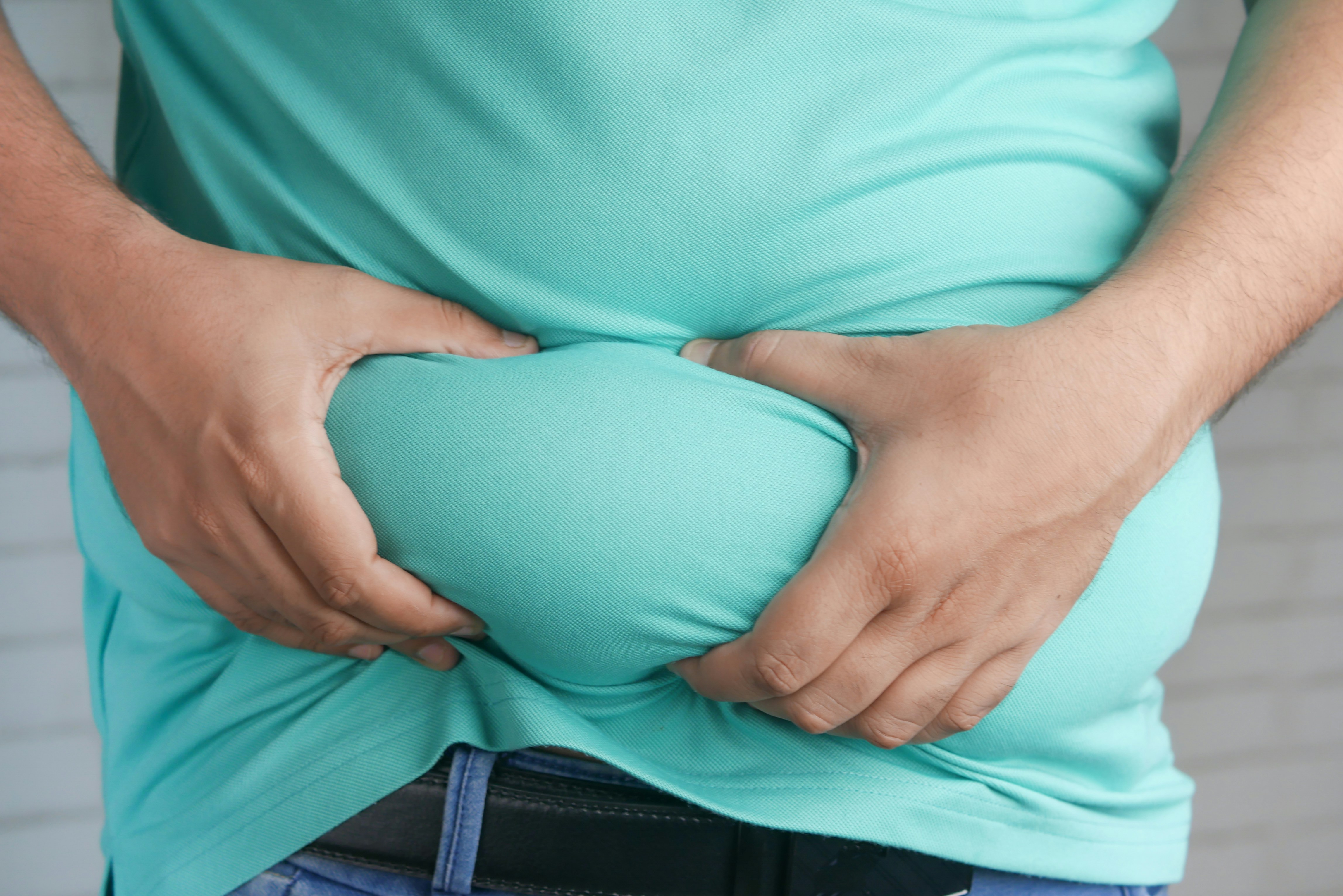
Why Americans Travel Abroad for Tummy Tuck Surgery
Abdominoplasty — commonly called a tummy tuck — is one of the most sought-after cosmetic procedures for Americans traveling abroad, particularly among patients who have experienced significant weight loss or postpartum changes. The procedure removes excess abdominal skin and fat, tightens the abdominal wall muscles (addressing diastasis recti), and repositions the navel — producing a flatter, firmer abdominal contour that diet and exercise cannot achieve when significant skin laxity is present.
In the United States, a full abdominoplasty costs $8,000–$15,000. In Mexico, Colombia, Turkey, and Costa Rica, the same procedure runs $3,000–$6,500. The savings are compelling — but tummy tuck has one of the highest complication rates of any common cosmetic procedure, and those complications require follow-up care that costs money.
🇺🇸 Full Abdominoplasty — USA
$8,000 – $15,000
🌍 Full Abdominoplasty — Abroad
$3,000 – $6,500
🇺🇸 Mini Tummy Tuck — USA
$5,000 – $9,000
🌍 Mini Tummy Tuck — Abroad
$2,000 – $4,500
The Insurance Gap
Zero coverage from standard insurance: US health insurance — Medicare, Medicaid, employer plans, and ACA plans — provides no coverage for elective abdominoplasty performed abroad or for any complications arising from it. Standard travel insurance explicitly excludes elective procedures. Every complication from a tummy tuck performed outside the US is entirely out of pocket without specialized medical travel insurance.
This matters particularly for tummy tuck patients because seroma — the most common complication — is not a one-time treatment. Seroma management typically requires multiple aspiration visits over several weeks. If you're back in the US when this develops, those visits are at full private-pay rates at a US plastic surgeon's office without insurance coverage. Three aspiration visits at $400–$600 each, plus ultrasound evaluation: $1,500–$3,000 easily, before accounting for any more serious complications. Read the full breakdown of US insurance coverage internationally.
Tummy Tuck Complications: A Detailed Look
Seroma — The Most Common Complication (10–20% of Full Abdominoplasties)
Seroma is a collection of serous fluid — lymphatic fluid and plasma — that accumulates in the space created when skin is separated from the underlying tissue during abdominoplasty. It is the most common complication of tummy tuck, with published rates of 10–20% for full abdominoplasty. The risk is higher when liposuction is performed simultaneously with the abdominoplasty.
Seroma appears as soft, fluctuant swelling under the incision or in the lower abdomen, typically presenting 1–3 weeks post-operatively. Management requires aspiration under sterile conditions — inserting a needle to drain the fluid — repeated as often as weekly until the body stops producing the fluid. Persistent seromas may require a surgical drain to be placed. Total management cost: $1,000–$4,000 or more depending on persistence, all out of pocket without insurance for a procedure performed abroad.
Wound Complications and Skin Necrosis
Tummy tuck involves significant tension at the lower abdominal incision and elevates large skin flaps that depend on blood supply from the wound edges. Wound dehiscence (separation of the incision) and skin necrosis (tissue death from insufficient blood supply) are recognized complications. Risk factors include smoking, simultaneous liposuction (which disrupts the blood supply to the flap), obesity, and diabetes. Minor wound separation may heal with wound care; significant necrosis requires surgical debridement and potentially skin grafting — a much more extensive intervention. Cost range: $2,000–$20,000+ depending on severity.
DVT and Pulmonary Embolism
Abdominoplasty is a major abdominal surgery performed under general anesthesia with significant post-operative immobility. DVT risk is elevated compared to many other cosmetic procedures. If you fly home within days of surgery, the immobility of a long flight compounds this risk further. DVT requires anticoagulation management; pulmonary embolism is life-threatening and requires emergency care — potentially the most expensive complication scenario, with hospital costs reaching $30,000–$80,000.
Hematoma
Blood pooling under the skin — occurs in approximately 1–4% of abdominoplasties. Significant hematomas require surgical evacuation. Cost: $2,000–$6,000.
Infection
Surgical site infection — occurs in 1–4% of cases. Mild infections respond to oral antibiotics. Deep wound infections may require IV antibiotics and surgical debridement. Cost: $1,500–$10,000 depending on severity.
The simultaneous liposuction risk: Many patients request liposuction of the flanks or hips simultaneously with their tummy tuck to maximize results in one surgical session. Simultaneous lipo significantly increases seroma risk and can compromise blood supply to the abdominal skin flap, elevating the risk of skin necrosis. Reputable surgeons limit the area of simultaneous liposuction or stage it as a separate procedure. Ask your surgeon specifically about their policy on combining tummy tuck with liposuction in the same session and the implications for complication risk.
The Beach Recovery Problem
Costa Rica, Cancún, and Thai resort towns are popular tummy tuck destinations partly because patients want to combine their procedure with a vacation. This combination creates a well-documented risk scenario: patients who undergo tummy tuck and then engage in beach activities — swimming, sun exposure, physical activity, alcohol — during the recovery period experience significantly higher rates of wound complications, infections, and seromas.
A tummy tuck recovery in a clinical environment — limiting activity, wearing compression garments consistently, attending follow-up appointments — produces dramatically better outcomes than a recovery on a beach. If you're traveling for a tummy tuck abroad, plan a genuine recovery environment, not a vacation.
Top Destinations for Tummy Tuck Tourism
- Mexico (Tijuana, Cancún, CDMX) — Highest volume for US patients. Board-certified plastic surgeons in Tijuana serve American patients specifically. See: Medical Tourism Mexico Insurance.
- Colombia (Medellín) — Internationally-trained surgeons, growing reputation for body contouring. Competitive pricing comparable to Mexico.
- Turkey (Istanbul) — Established cosmetic surgery sector. All-inclusive packages. Return flight DVT management is important. See: Medical Tourism Turkey Insurance.
- Costa Rica (San José) — JCI-accredited hospitals, English-speaking surgeons. See: Medical Tourism Costa Rica Insurance.
What Tummy Tuck Abroad Insurance Covers
The GoTripWise Medical Traveler Plan covers US residents traveling abroad for tummy tuck (full or mini abdominoplasty), fleur-de-lis abdominoplasty, and related body contouring procedures. Complications are covered for 180 days from the procedure date.
Medical Complications Coverage
Up to $150,000
Emergency Medical Evacuation
$50,000
Emergency Medical (Unrelated)
$1,000,000
COVID-19 Medical Coverage
$25,000
Companion Coordination
Up to $5,000
Trip Cancellation
Up to $10,000
Recommended Coverage Level
- Mini tummy tuck (standalone): Option 1–2 ($25,000–$50,000)
- Full abdominoplasty (standalone): Option 2–3 ($50,000–$75,000) — seroma, wound complications, and DVT scenarios
- Tummy tuck + liposuction combination: Option 3 ($75,000) — elevated seroma and wound necrosis risk from simultaneous procedures
- Tummy tuck as part of mommy makeover: Option 3–4 ($75,000–$150,000) — see: Mommy Makeover Abroad Insurance
Before You Travel for a Tummy Tuck: Key Checklist
- Stop smoking at least 6 weeks before surgery. Smoking is the single most significant modifiable risk factor for wound healing complications and skin necrosis after abdominoplasty. This is not negotiable.
- Clarify the liposuction policy. Ask explicitly whether liposuction will be performed simultaneously and in what areas. If your surgeon plans extensive simultaneous liposuction, ask about the implications for blood supply to the abdominal flap and whether staging is preferable.
- Plan your return flight for at least 5–7 days post-surgery. Earlier departure increases DVT risk. Don't book your return flight before you've had surgery — recovery trajectory is unpredictable.
- Identify a US plastic surgeon for follow-up before traveling. Seroma management requires a surgeon who will see you regularly. Establish this relationship before your trip.
- Obtain complete English-language records before leaving. Operative notes, discharge summary, drain placement documentation, and wound care instructions.
- Enroll in medical travel insurance before your departure date.
Frequently Asked Questions
I returned from my tummy tuck in Mexico a week ago and have significant swelling — is that covered?
Swelling alone in the first 1–2 weeks post-abdominoplasty is within the normal expected recovery range. If the swelling is fluctuant (fluid-filled), painful, or increasing — which may indicate seroma or hematoma — seek evaluation from a US plastic surgeon promptly. If confirmed as a complication requiring treatment, it is covered under the Medical Traveler Plan within the 180-day window. Document all evaluations and keep receipts.
My seroma required four separate aspiration visits — are all of them covered?
Multiple aspiration visits for seroma management following your covered procedure are eligible for reimbursement up to your elected benefit limit. Keep receipts and documentation from each visit. Seroma management is a recognized complication of abdominoplasty and is explicitly within the plan's complication coverage scope.
I had a tummy tuck + liposuction combination — does coverage apply to both?
Yes. If both procedures were performed in the same surgical session and you enrolled accurately describing the full combination, complications arising from either component of the surgery are covered within the 180-day window up to your benefit limit.
The Bottom Line
Tummy tuck abroad offers real savings on a major abdominal procedure with a well-documented complication profile. Seroma alone occurs in up to 20% of full abdominoplasty patients — and managing it in the US without insurance for a procedure performed abroad means paying out of pocket for every aspiration visit. Medical travel insurance fills this gap entirely, covering tummy tuck complications for 180 days whether you're still abroad or back home.
This article is for informational purposes only and does not constitute insurance or medical advice. Coverage terms, conditions, and availability are subject to the policy certificate issued by the underwriter. GoTripWise provides insurance brokerage services only.